
ABOUT
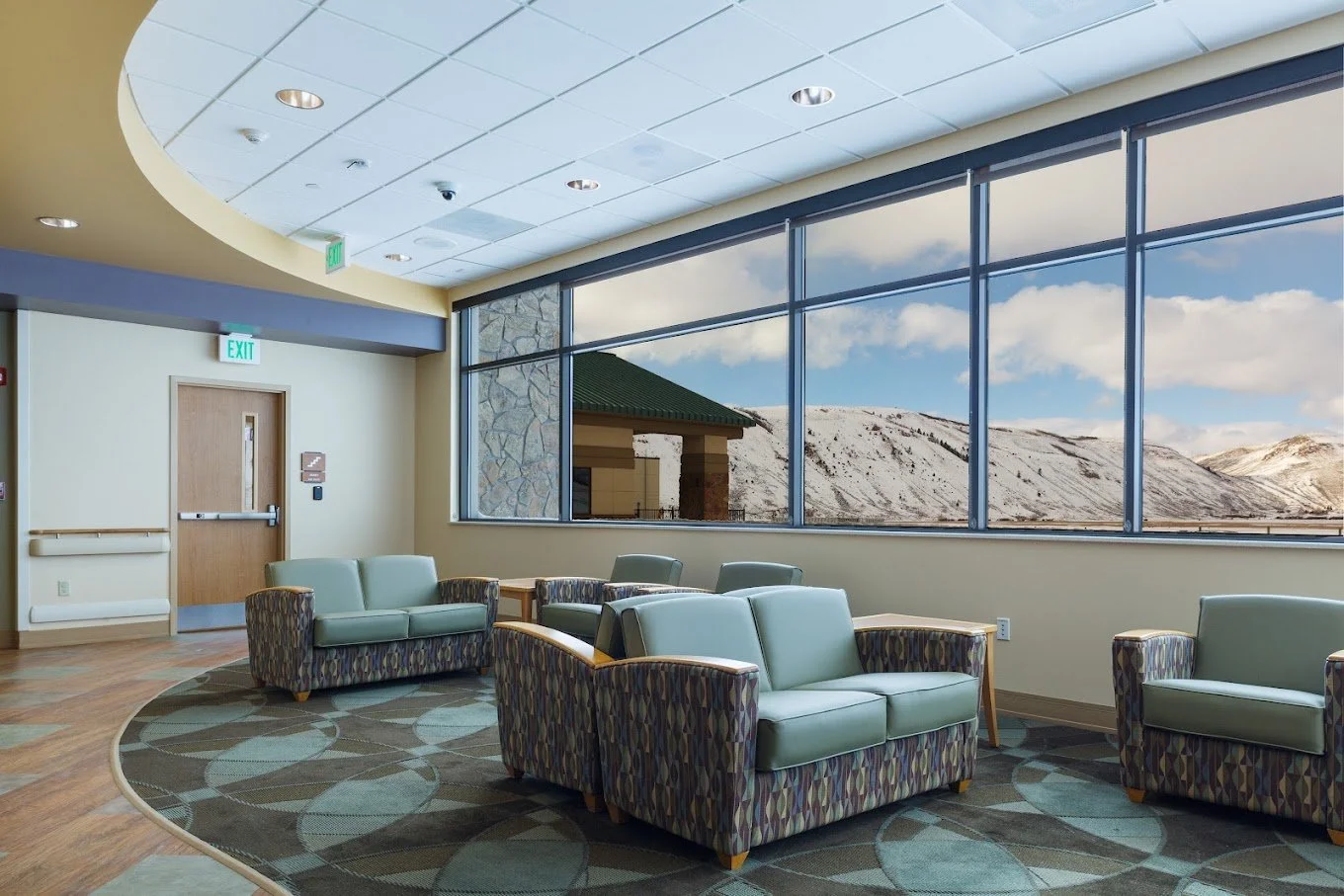
St. John’s Health is an essential community asset, providing emergency care, hospital services, clinics, senior care and local access to medical services that residents, workers, families and visitors depend on every day.
THE CHALLENGE
St. John’s Health is facing the same pressures affecting rural and independent hospitals across the country:
Rising Costs
Reduced Reimbursement
Uncompensated Care
Changing Federal & State Funding
Local support helps ensure Teton County keeps an independent, community-governed hospital instead of becoming more dependent on out-of-area systems or forcing residents to travel farther for care.
THE SOLUTION
The proposed 3-mill levy increase is a direct investment in keeping emergency care, hospital services, clinics, and senior care available close to home. St. John’s has already begun making difficult operational changes, but local support is needed to keep our independent, community-governed hospital strong.
Voting yes is a practical, local solution to protect healthcare access for residents, workers, families and visitors.
A mill levy is the tax rate used by local governments to calculate property taxes. One mill represents $1 in property taxes for every $1,000 of assessed property value.
The proposed 3-mill increase equals $3 per $1,000 of assessed value. In Wyoming, residential property is assessed at 9.5% of market value. For example, a home valued at $1 million would have an assessed value of $95,000, making the 3-mill increase about $285 per year, before any applicable exemptions or tax relief.
What are mill levies?

This funding source:
Provides stable, local funding that helps St. John’s Health plan for the future
Supports services the community depends on
Helps protect local access to care
Delivers a practical investment in the health, safety and resilience of Teton County
What does this support?

Official Ballot Language
“Shall the Teton County Hospital District, doing business as St. John’s Health, be authorized to levy an additional property tax of three (3) mills for hospital purposes, including but not limited to, emergency, labor and delivery, cancer treatment, clinics, nursing home, and related health care services, thus increasing the District’s authorized operating levy from three (3) mills to not more than six (6) mills.”